
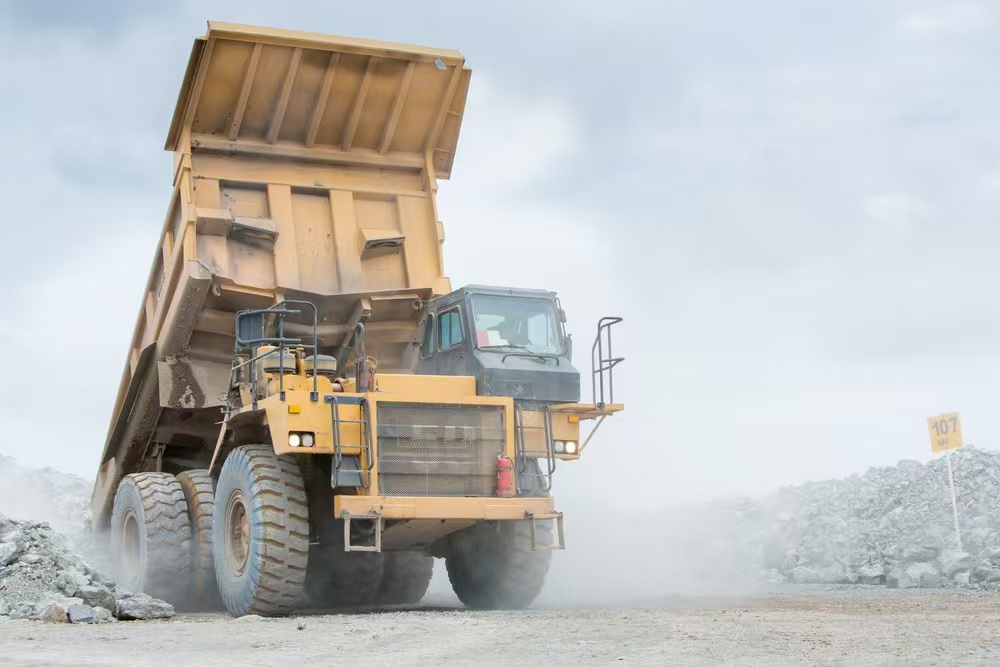
Two dump trucks can use the same nominal tyre size while working under very different conditions. One may travel short cycles over sharp rock. Another may carry similar loads over a longer road where heat build-up is the larger concern. The correct choice depends on the entire operating cycle—not the size marking alone.
Short answer: before quotation, provide the machine model, tyre position, complete fitment, payload, speed, haul distance, daily hours, road surface, climate and the performance of the current tyre.
1. Start with the machine, not the catalogue
Provide the machine manufacturer, model and equipment type. State that the tyre is for a mining dump truck and identify whether it will be installed on the front or rear position. If the model is uncertain, send a clear photograph of the machine plate and the current tyre.
Tyre position changes the work performed by the casing and tread. A recommendation made without machine and position data is incomplete.
2. Confirm the complete size and rim information
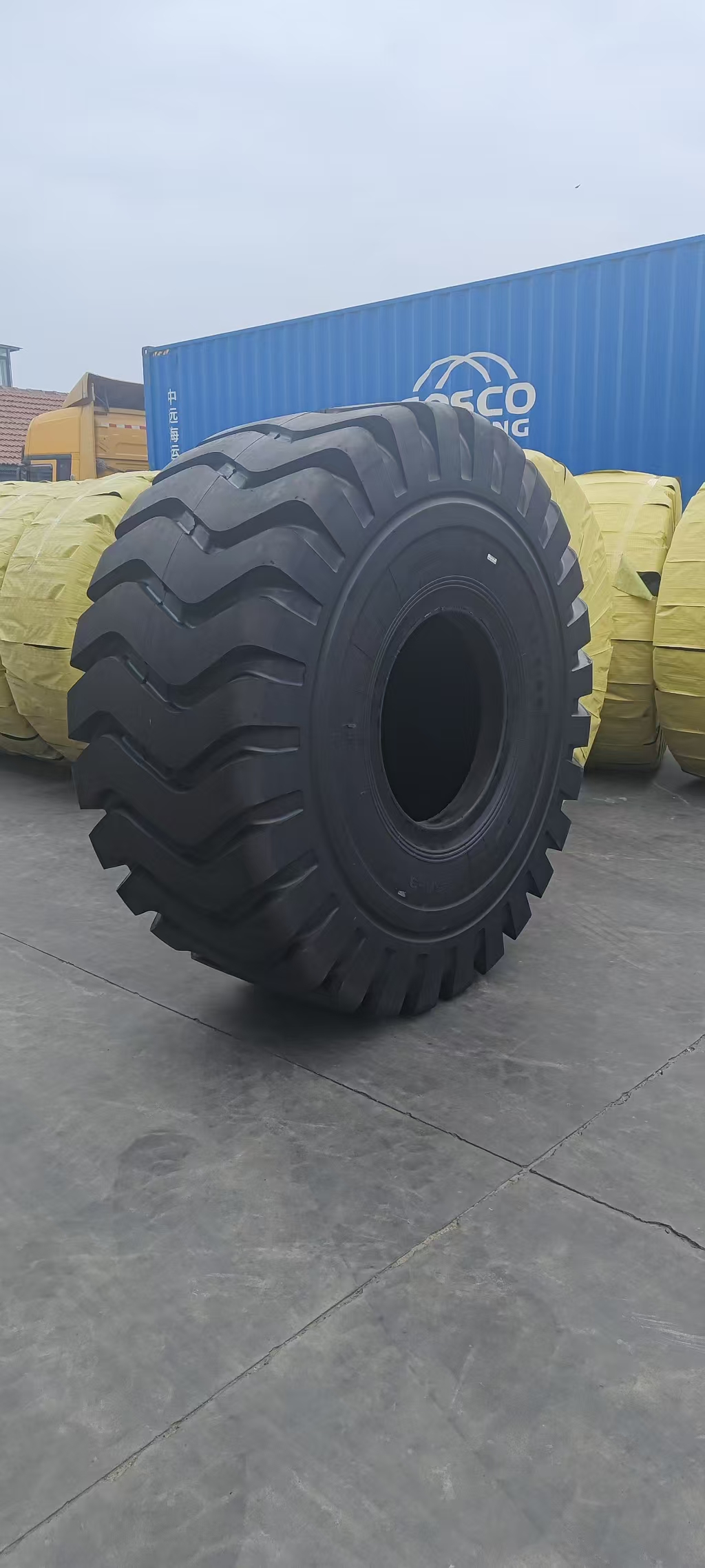
“29.5-25” is only the starting point. Confirm bias or radial construction, tubeless fitment, rating, rim, current tread pattern and all legible sidewall markings. Send one image of the complete tyre, one sidewall close-up and one image of the rim whenever those records are available.
These are available JABIL options, not a universal fitment approval. The final construction, rating, pattern and rim combination must be confirmed against the machine, position and operating data submitted with the enquiry.
3. Describe the haul cycle in numbers
A 29.5-25 haul truck tyre works through repeated loaded and empty cycles. Record the one-way distances, average and maximum speed, cycles per shift, operating hours, rest periods, typical payload, peak payload and important uphill or downhill sections.
Distance, load and speed influence heat generation. Short, slow cycles over aggressive rock may instead create a cut-and-impact priority. A typical shift record is more useful than a broad description such as “heavy mining service.”
4. Define the road surface and site conditions
Describe the dominant surface: crushed rock, sharp blasted rock, gravel, compacted earth, mud or mixed mine road. Then identify potholes, spillage, tight turns, steep grades, standing water and the road-maintenance routine.
5. Separate heat, cut and impact risks
Heat risk
Heat becomes a priority when a tyre carries load over distance, operates at sustained speed or has limited cooling time. Ambient temperature, gradient and pressure management also matter.
Cut risk
Cut risk comes from sharp material contacting the tread or sidewall. Record where damage normally appears and whether it remains superficial or progresses deeper.
Impact risk
Impact damage is associated with potholes, large rocks and abrupt changes in road level. Maintenance records help distinguish impact damage from cutting or under-inflation.
A tyre cannot correct every site problem. Road maintenance, payload control, inflation practice and operator behaviour remain part of tyre performance.
6. Share the performance of the current tyre
Provide the current brand and pattern, installation and removal dates, recorded hours, remaining tread, removal reason, damage position, repair history and pressure records if available. “Poor life” is not enough: a tyre removed after impact presents a different selection question from one removed after even tread wear.
7. RFQ checklist
| Information | What to provide |
|---|---|
| Machine | Manufacturer, model and dump-truck type |
| Position | Front or rear |
| Fitment | Full size, construction, rating, TL and rim |
| Load | Typical and peak payload |
| Cycle | Distance, speed, shifts and hours per day |
| Road | Surface, grades, turns and maintenance condition |
| Climate | Typical temperature and seasonal extremes |
| Main risk | Heat, cutting, impact, traction or mixed service |
| Current tyre | Pattern, hours, wear and removal reason |
| Delivery | Quantity, country, port and Incoterm |
What a responsible recommendation should confirm
The quotation should identify the proposed tyre, construction, service designation, suitable rim, tube requirement, intended operating condition, missing information, data-sheet availability, quantity, lead time and shipping basis.
Load capacity, inflation pressure and speed limits must come from approved technical data for the exact product. They should never be inferred from size alone.
Request a 29.5-25 application review
Send your machine model, tyre position, haul distance, payload, speed and road conditions. Photographs of the tyre, rim and working surface will help our team review the application.
Request a 29.5-25 recommendationFrequently asked questions
Is tyre size alone enough to select a 29.5-25 mining tyre?
No. Machine model, position, rim, construction, load, speed, haul distance, road surface and the main damage risk are also required.
What photographs should I send?
Send photographs of the complete tyre, sidewall markings, rim, haul road and typical damage. Include the machine plate if the model is uncertain.
Why are haul distance and speed required?
Load, distance and speed describe the duty cycle and potential heat exposure. Short cycles on sharp rock can create a different priority from sustained travel.
Can load and inflation pressure be confirmed from size alone?
No. These values must be confirmed from approved technical data for the exact construction, rating, rim and application.